
A roofing estimate should tell you exactly what is coming off your roof, what is going on in its place, and what happens if the crew finds a problem once the old shingles are up. If you cannot answer those three questions from the paperwork in front of you, the estimate is missing something, no matter how good the total looks.
Most homeowners get two or three quotes for a roof replacement and compare the bottom line. But two estimates with similar totals can describe very different roofs. One may include new underlayment, ice and water shield, proper ventilation, and new flashing. The other may be reusing half of what is already up there. This guide walks through a roof replacement estimate line by line so you know what each item means and what to ask about when it is missing. If you are at the point of comparing quotes, our roof replacement service page explains how we approach a full tear-off in Southern Maryland.
What Should a Roofing Estimate Include?
Before getting into the individual lines, here is what a complete estimate for a full replacement normally contains:
- The contractor’s business name, license number, and insurance information
- The scope: tear-off or overlay, which roof sections are included, and what is excluded
- Materials by type and brand: shingles, underlayment, ice and water barrier, starter strip, ridge cap, flashing, drip edge, and ventilation
- Labor, a stated rate for replacing damaged decking, and disposal
- Permit handling, both warranties, the payment schedule, and a timeline
If an estimate is one page with a single number and a shingle color, ask for a full breakdown first.
Roof Replacement Estimate Line Items Explained
Tear-off vs. overlay
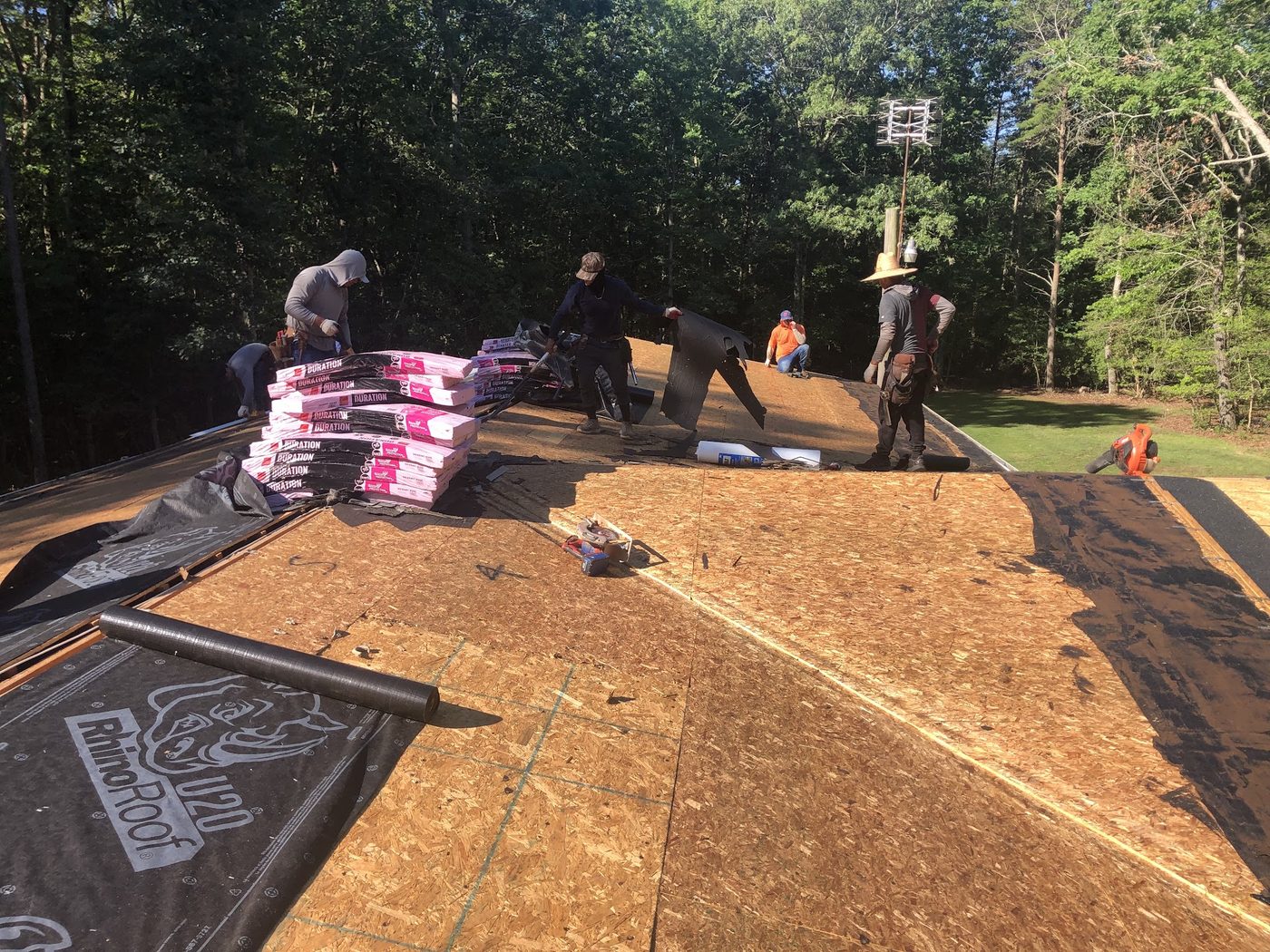
Look for this first. A tear-off removes the old shingles and underlayment down to the bare wood deck. An overlay, sometimes called a layover, nails new shingles on top of the existing layer. It is cheaper and faster, but it hides the condition of the deck, adds weight, and traps the old roof’s problems under the new one. Many manufacturers also limit warranty coverage on overlays. If one estimate is a tear-off and another is an overlay, they are not quoting the same job.
Shingles
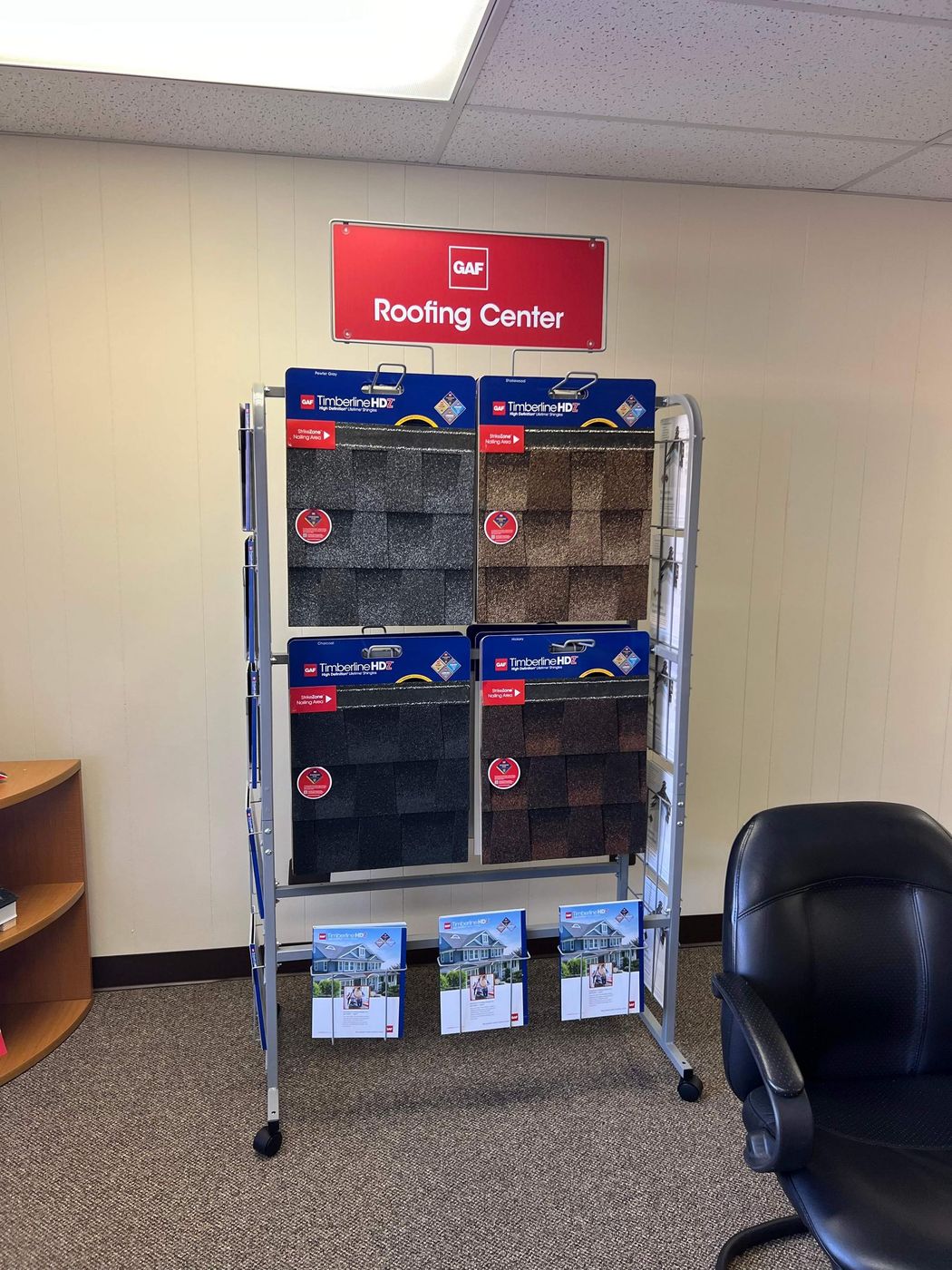
The shingle line should name the manufacturer, the product line, and the color. Not just “architectural shingles” but the actual product, since shingle grades vary in thickness, wind rating, and warranty. Ask for the exact product name in writing so there is no confusion later about what was ordered. Look for purpose-made starter strip and ridge cap on the list too. Some crews cut regular shingles for both, and the full manufacturer warranty usually requires the real thing.
Underlayment and ice and water shield
Underlayment is the water-resistant layer between the deck and the shingles, the backup if wind drives water under a shingle. Synthetic is the common choice today, though older estimates may still list felt. If the line is missing, ask whether the old underlayment is being reused, which is not something you want on a new roof.
Ice and water shield is a self-adhering membrane installed at the eaves, in valleys, and around chimneys and vent pipes. It seals around nails and keeps water out of the spots where leaks start most often. In a Maryland winter it is what stands between an ice dam and your ceiling. Look for where the estimate says it goes, not just whether it is listed.
Drip edge and flashing
Drip edge is the metal along the roof edges that directs water into the gutter instead of behind it, protecting the fascia. Flashing is the metal that seals where the roof meets something else: chimneys, walls, skylights, and pipe boots. The estimate should say whether flashing is being replaced or reused. Reusing old step or chimney flashing is one of the most common shortcuts, and a common reason a brand-new roof leaks at the chimney later.
Ventilation
Look for ridge vent, box vents, or whatever intake and exhaust system the roof uses. A replacement is the right time to fix a poorly ventilated attic, and some manufacturer warranties require adequate ventilation. If the estimate does not mention it, ask.
Decking inspection and replacement
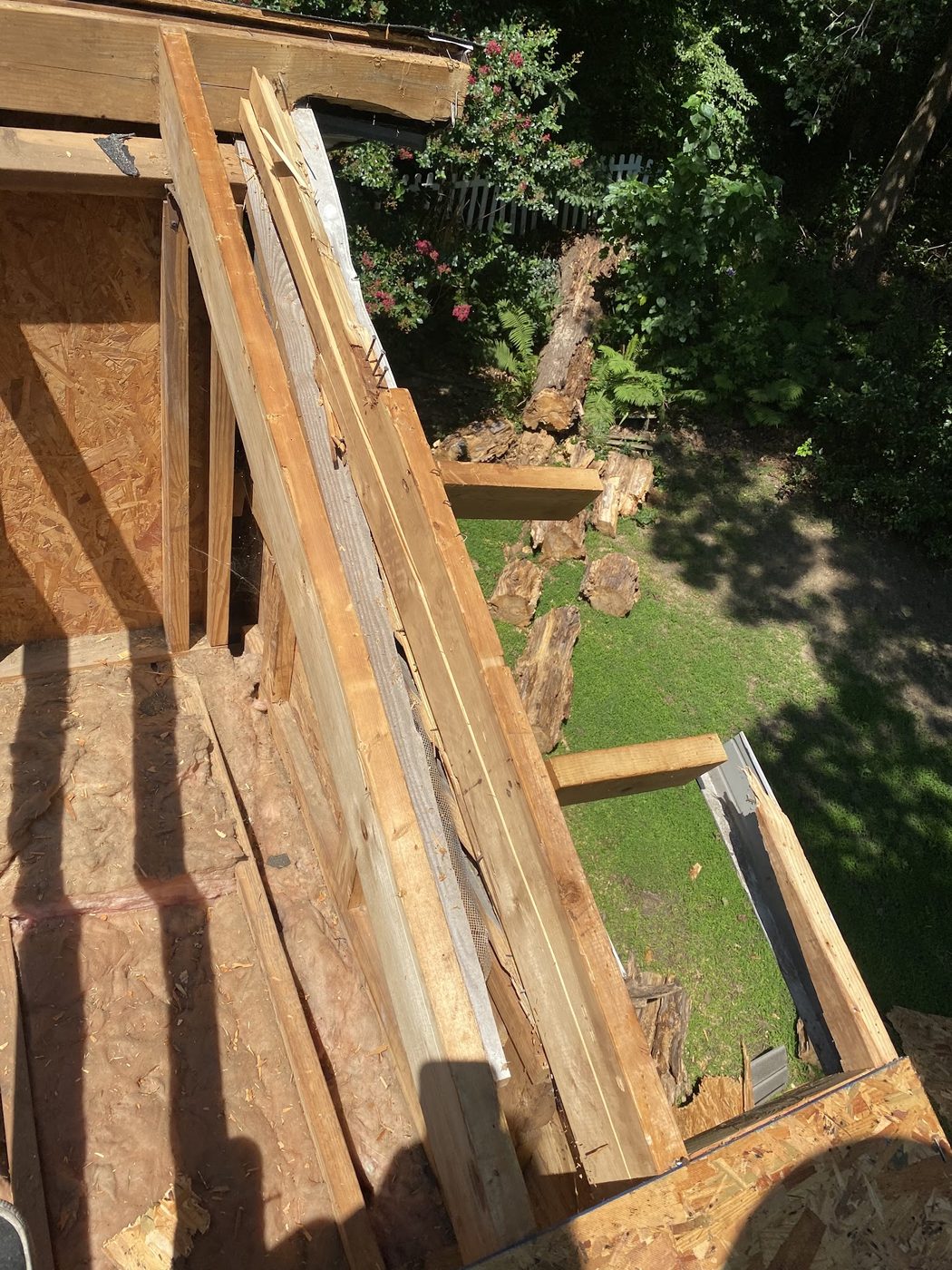
Nobody knows the condition of the plywood under your shingles until the old roof comes off. A good estimate says this plainly and gives a per-sheet or per-foot rate for replacing rotted decking, so there is no surprise if a few sheets need to go. An estimate that says nothing about decking is either assuming it is perfect or planning to spring the cost on you mid-job.
Disposal, cleanup, and permits
A tear-off creates a lot of debris. The estimate should cover the dumpster, hauling, and a magnetic nail sweep of the yard and driveway. It should also say who is pulling the permit, if your county requires one, and whether that cost is included.
Warranty
There are two warranties on any new roof: the manufacturer’s on the materials and the contractor’s on the workmanship. The estimate should spell out both, including the length and what each covers. Manufacturer warranties often depend on the installer’s certification and on the full system (starter, underlayment, ridge cap, ventilation) being installed together, which is why those lines matter. A workmanship warranty is only as good as the company behind it, so confirm the license. One Vision Roofing is licensed and insured under MHIC #151744.
Roofing Estimate Red Flags
A few things that should make you slow down and ask more questions:
- No license number or insurance certificate on the estimate
- A single lump-sum price with no material list
- Shingles described by type or color only, with no manufacturer or product name
- No mention of underlayment, ice and water shield, drip edge, or flashing
- No decking clause, or a verbal “we’ll see when we get up there”
- Pressure to sign today to lock in a price, or a large deposit before any materials are ordered
A low number with a thin scope usually means something is being reused or skipped. Our post on how to tell if your roofer used leftover materials covers one of the ways that plays out.
“He answered all of my questions and gave some very good advice about the replacement process of my thirty year old roof. At no time did I feel like I was being pushed to make any quick decisions and his knowledge of his services and material being used on his jobs was excellent.”
Ronnie Poe, 5-star Google review (excerpt)
How to Compare Two Roofing Quotes Fairly
Put the estimates side by side and match them line by line, not total to total. Is each one a tear-off? Same shingle product? Both replacing flashing? Both stating a decking rate? Once you have adjusted for what is missing, the gap between the totals often shrinks, and you can see which contractor is actually quoting a complete roof.
Still deciding whether you need a full replacement at all? Our post on when to repair vs. replace your roof walks through that decision, and our guide to roof replacement services covers the whole process from first call to final cleanup.
Frequently Asked Questions
What should a roofing estimate include?
A complete estimate lists the scope (tear-off or overlay), every material by brand and product, decking replacement terms, flashing and ventilation, disposal, permits, both warranties, the payment schedule, and the contractor’s license and insurance.
Is a tear-off always better than an overlay?
For most homes, yes. A tear-off lets the contractor inspect and repair the deck, install new underlayment and flashing, and keep the full manufacturer warranty. An overlay is cheaper up front but hides problems and shortens the life of the new roof.
Why does my estimate say decking is “as needed”?
Because nobody can see the decking until the old shingles come off. A good estimate gives you a stated rate per sheet or per foot so you know the cost before the crew finds a soft spot, not after.
Should flashing be replaced on a new roof?
In most cases, yes. Old flashing is often bent, rusted, or sealed with aging caulk, and reusing it is a common reason new roofs leak around chimneys and walls. Ask the contractor to state whether flashing is new or reused.
Get a Clear, Line-by-Line Roof Replacement Estimate
If you want an estimate you can actually read, we will walk your roof and put every item in writing with no pressure to sign. One Vision Roofing is a family-owned, licensed and insured, GAF Certified contractor serving Mechanicsville, Charlotte Hall, Hughesville, Leonardtown, and the rest of Southern Maryland. Call (301) 909-3383 or request your free estimate online.
