
Soffit and fascia are the two pieces of trim that finish the edge of your roof. The fascia is the vertical board that runs along the roofline where the gutters hang, and the soffit is the horizontal panel underneath it that closes off the overhang. Together they keep water, pests, and weather out of your attic and give the roof edge a clean, finished look.
Most homeowners never think about either one until paint starts peeling, a gutter sags, or a squirrel finds a way into the attic. This guide explains what each part does, how to tell when something is wrong, and when a repair is enough versus when the boards need to come off. If you already know you have a problem, our soffit and fascia repair and replacement service covers homes across Mechanicsville and Southern Maryland.
What Does Fascia Do on a House?
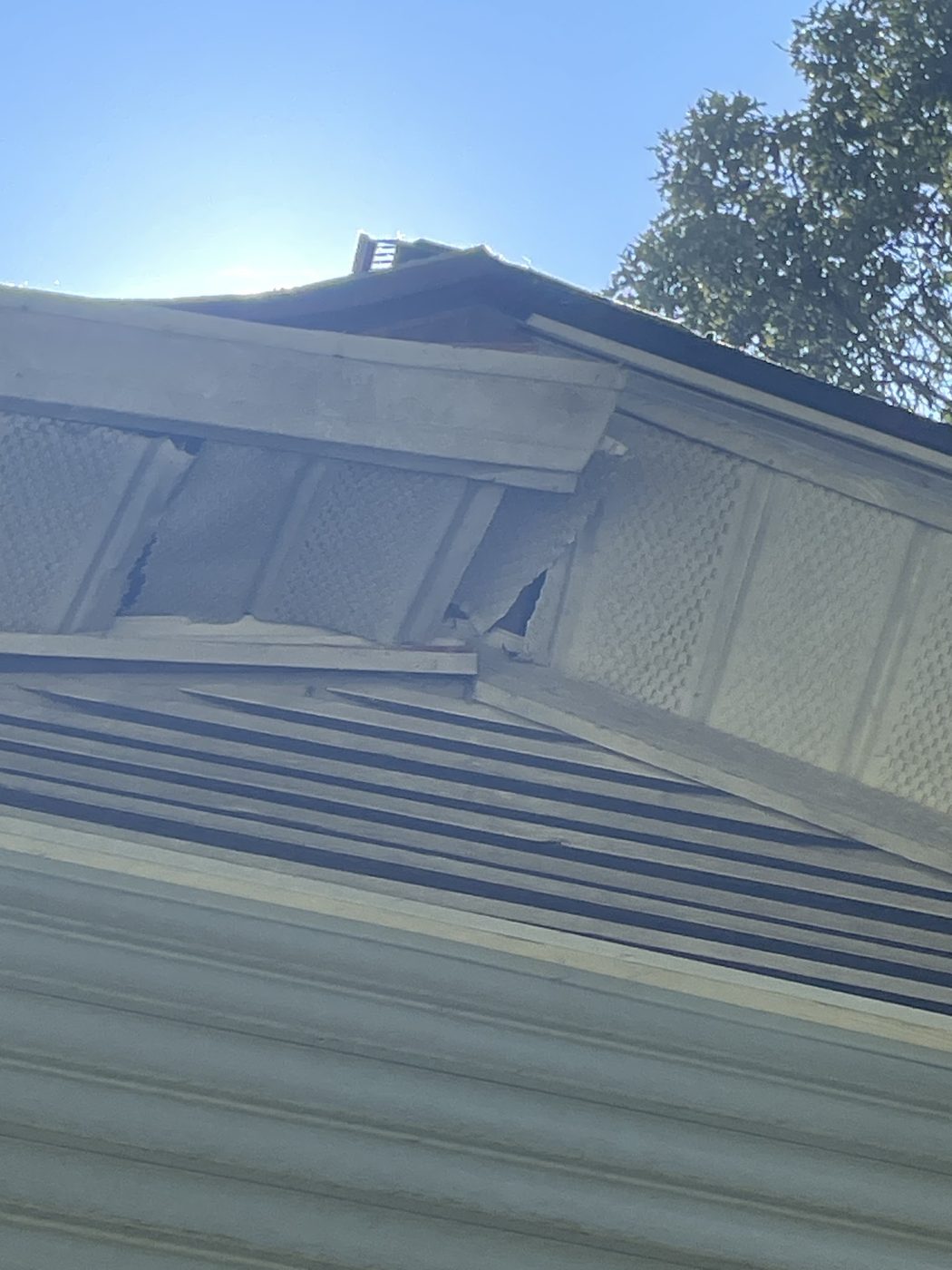
Walk to the edge of your house and look up at the roofline. The long, flat board facing outward, usually painted white or a trim color, is the fascia. It is attached to the ends of the rafters and runs the full length of each roof edge.
Fascia does three jobs. It supports the gutters, since every gutter hanger screws into it and the board carries the full weight of the gutter plus whatever water, leaves, and ice collect inside. It covers the exposed rafter ends so wind-driven rain cannot soak into the framing. And it gives the drip edge and the bottom row of shingles something to sit against, so water sheds cleanly off the roof instead of curling back under the edge.
What Does Soffit Do?
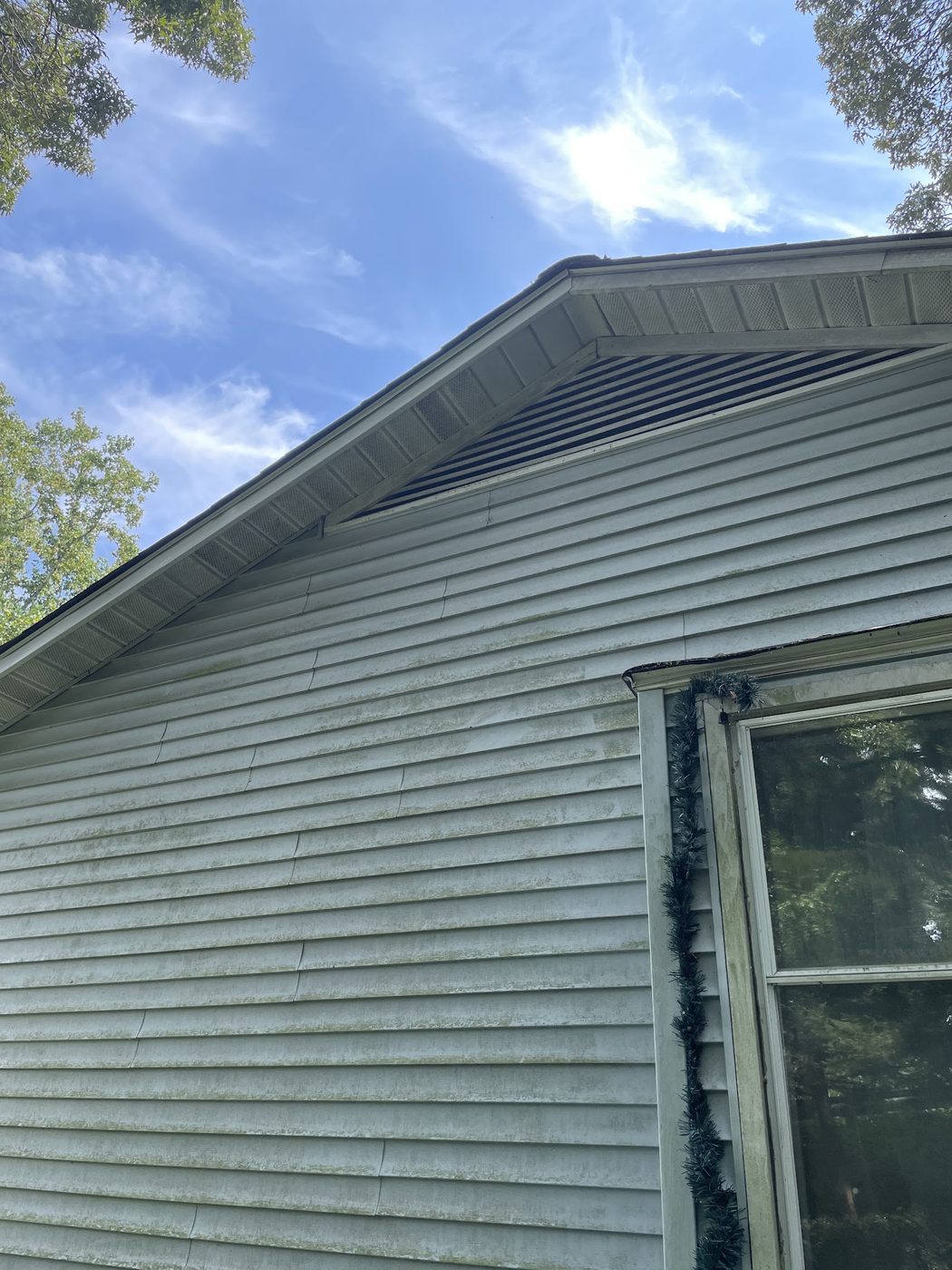
Now look directly underneath the overhang, between the fascia and the exterior wall. That flat panel is the soffit. It closes the gap so you are not staring up at open rafters, and it keeps birds, squirrels, wasps, and rain out of the attic.
The soffit also has a job most people do not notice: ventilation. Most soffit panels are perforated or have vent strips built in. Those openings let outside air into the attic at the lowest point, and that air rises and exits through the ridge or roof vents higher up. That airflow keeps attic moisture from building up in winter and heat from cooking the underside of your shingles in summer. We cover how that system works in our post on proper roof ventilation and insulation. If the soffit vents get painted over, clogged, or blocked by insulation, the whole attic suffers.
Why Soffit and Fascia Fail in Southern Maryland
The roof edge is the first place water lands coming off the shingles, the place gutters overflow when they clog, and the spot where ice sits in winter. Around here, humid summers and wet springs mean wood that stays damp does not get much chance to dry out, and damp wood rots. The most common causes we see are:
- Clogged or overflowing gutters that spill water down the face of the fascia
- A missing or poorly installed drip edge that lets water run behind the gutter and soak the top of the board
- Gutters that have pulled loose and are hanging at an angle, tearing the fascia open at the fasteners
- Old caulk and paint that has cracked and let moisture into bare wood
- Pests chewing through soft or already rotting wood to get into the attic
Because the fascia is what the gutters attach to, fascia problems and gutter problems almost always travel together, which is why our gutter and downspout service often ends up on the same work order as a fascia repair.
Soffit and Fascia Damage Signs to Look For
You do not need a ladder to catch most of these. A slow walk around the house after a rain will show you plenty.
Peeling or bubbling paint on the fascia
Peeling paint on fascia is usually the first visible sign. Paint fails when moisture gets into the wood behind it and pushes outward. If the peeling is in one spot, look at what is above it. Very often it lines up with a gutter seam, a corner, or a section where the gutter overflows.
Soft, dark, or crumbling wood
A rotted fascia board often looks fine from the street and only shows itself when you press on it. If a screwdriver sinks into the wood or a corner crumbles when touched, the rot has gone deeper than the surface. Dark staining along the bottom edge of the board is another tell.
Sagging or separated gutters
Gutters that have dropped away from the roofline, or that leave a gap you can see daylight through, usually mean the fascia behind them can no longer hold the hangers. Re-screwing a gutter into rotted wood does not last. The board has to be fixed first.
Stains or water marks on the soffit
Water marks on the underside of the overhang mean water is getting behind the fascia or through the roof edge. Warped, cracked, or sagging soffit panels, wasp nests, and chewed holes at the corners are telling you the same thing: there is an opening that should not be there.

Soffit Repair vs. Replacement
Not every problem means tearing the trim off the whole house. The right call depends on how far the damage has spread and what the boards are made of.
Repair usually makes sense when the damage is limited to one short section, the wood around it is still solid, and the cause (a clogged gutter, a bad seam, a missing drip edge) is easy to fix at the same time. The bad section is cut out, a new piece is fitted and sealed, and the gutter is reattached properly.
Replacement is the better choice when rot shows up in several places along the same run, when the fascia is soft behind an aluminum wrap, when the soffit panels are brittle or falling, or when the trim has been patched before. Replacing a full run gives the crew a chance to install a new drip edge, correct the gutter pitch, and make sure the soffit vents are actually open, instead of chasing one soft spot after another every year.
If the damage has gone past the trim and into the roof deck or the rafter tails, that moves into roof repair territory, and the whole edge should be inspected rather than just the visible boards.
“Reached out to One Vision after one of my employees ran into an overhang on a neighboring commercial building. Tony and his staff were prompt and professional. The roof shingles and soffit were quickly repaired and the business owner was extremely happy. Would 100 % recommend One Vision.”
Ron Brinkerhoff, 5-star Google review
What to Do If You Spot Damage
Clear the gutters first if you can do it safely, since overflow is the most common cause of fascia rot. Do not paint over soft wood or caulk over a gap and call it fixed; the paint will peel again and the rot underneath keeps going. Then have someone who works on roof edges every day look at the fascia, soffit, drip edge, gutters, and bottom course of shingles together, because a problem in one almost always involves the others.
Frequently Asked Questions
What is the difference between soffit and fascia?
Fascia is the vertical board along the roof edge where the gutters attach. Soffit is the horizontal panel underneath the overhang that closes it off and, in most homes, provides attic ventilation.
Why is the paint peeling on my fascia?
Peeling paint on fascia almost always means moisture is getting into the wood from behind, usually from an overflowing gutter, a missing drip edge, or failed caulk at a seam. Repainting without fixing the water source will not hold.
Can I replace fascia without replacing the gutters?
Often, yes. Gutters in good condition can be removed, the fascia replaced, and the gutters rehung. If the gutters were bent or pulled loose when the fascia failed, that is the time to replace them too.
Does damaged soffit affect my attic?
It can. Soffit panels provide the intake air for attic ventilation. Damaged, blocked, or painted-over soffit vents reduce airflow, which can lead to trapped moisture, mold, and higher attic temperatures.
Get a Free Soffit and Fascia Estimate in Southern Maryland
If you have spotted peeling paint, a sagging gutter, or soft wood along your roofline, do not wait for it to spread. One Vision Roofing is a family-owned, licensed and insured, GAF Certified roofing contractor serving Mechanicsville, Charlotte Hall, Hughesville, Leonardtown, and the wider Southern Maryland region. We will give you a straight answer on repair versus replacement. Call (301) 909-3383 or request your free estimate online.
