
A dip in the roofline, a strange curve from the street, or a slight belly in the ceiling inside. It can look cosmetic, but a sagging roof usually points at something structural. The good news is that it does not automatically mean a full replacement. The fix depends entirely on what is causing the sag, so here is how to tell them apart.
1. Undersized Rafters
Rafters are the sloping wooden supports that hold up your roof. They run from the outside walls toward the ridge, and the roof decking sits on top of them. If the rafters are too small for the span they need to support, they can bend over time.
This is especially common in older homes, or roofs that were built without enough structural support. Or they may become a problem after someone adds heavier roofing materials. Long spans, insufficient support, and years of normal loading can all contribute to deflection.
A contractor may recommend reinforcing the existing rafters, adding support, or replacing part of the framing.
Also read: Why Homeowners Delay Repairs Until It’s Too Late
2. Missing or Broken Cross-Ties
Cross-ties are horizontal framing members that connect opposing rafters, often near the ceiling. They help keep the walls from spreading outward under the weight of the roof.
When cross-ties are missing, broken, or improperly altered, the rafters may push the exterior walls outward. That can change the shape of the roof and create a sag in the middle.
This problem can sometimes be linked to attic remodeling. For example, a homeowner might remove a ceiling joist to create more open space without realizing that the framing was helping support the roof.
You may notice that the roof ridge has dropped, the walls are bowing, or the ceiling is pulling away from the walls. Those are good reasons to have the attic inspected.
3. Water Damage and Rot
Water damage is one of the more common causes of roof sagging. A small leak around a chimney, vent, flashing, or damaged shingle can allow moisture into the roof decking and framing.
At first, the problem may only show up as a water stain on the ceiling. Over time, repeated moisture can cause wood to soften, rot, or lose strength. Once the decking or rafters can no longer carry the load properly, the roof may start to dip.
The tricky part is that the visible sag may not be directly above the leak. Water can travel along the underside of the roof before reaching the ceiling, so the damaged area may be larger than it looks.
If the sag is caused by water damage, the repair needs to address both the leak and the weakened wood.
Also read: Storm Damage Roof Repair Guide
4. Too Much Heavy Weight
Roofs are designed to handle normal loads, but they are not indestructible. Extra weight can become a problem, especially on older or already weakened structures.
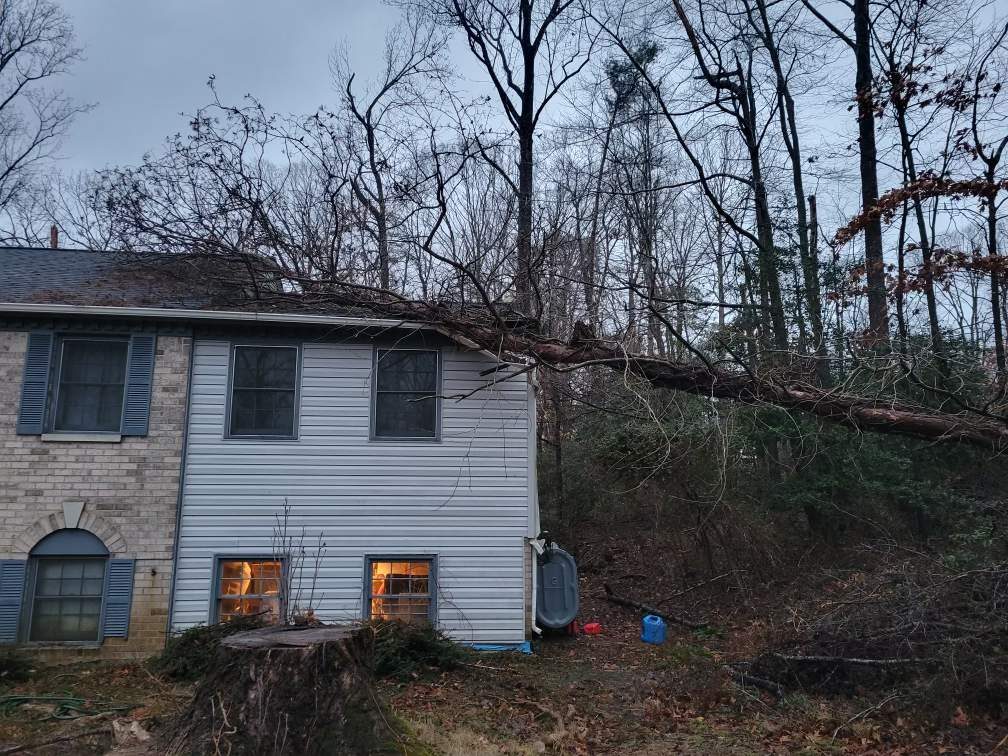
Heavy snow is an obvious example in snowy regions, but it is not the only one. Multiple layers of roofing materials, improperly installed equipment, water pooling, accumulated debris, or other added loads can put more stress on the structure than it was designed to handle.
If the roof already has undersized rafters or damaged framing, extra weight can make the sag much worse. Removing unnecessary weight can help, but first you need to know why the roof is struggling.
5. The Foundation Is Settling
Sometimes the roof is sagging because the problem starts lower down in the house.
A foundation that settles unevenly can change the position of the walls supporting the roof. When those walls move, the roof framing can shift, causing dips, changes in the roofline, or uneven slopes.
Normal, minor settlement is common in many homes. The concern is significant or uneven movement that affects the structure. You may notice other clues, such as:
- Cracks around windows and doors
- Doors or windows that suddenly stick
- Gaps between walls and ceilings
- Sloping floors or new cracks in the foundation
6. Damaged Trusses
Damaged trusses cause the middle of the roof to sag because cutting, notching, or loosening any internal support piece destroys the balanced tension across the entire assembly.
Unlike traditional rafters, roof trusses are carefully engineered webs of lumber joined together by metal connector plates. Every single piece is sized to be under precise tension or compression, allowing the structure to bridge large rooms without needing middle support walls.
When someone cuts a piece of a truss to route an air duct, notches a board for extra attic storage, or lets metal connector plates pull loose, the whole system weakens and begins to sag.
Also read: Top Benefits of Regular Roof Inspections
Signs the Sag Is Getting Worse
A small sag in the middle of the roof should not be treated as something to watch forever. Structural problems can progress, and catching them early can make the repair considerably easier. We recommend you keep an eye out for:
- The sag becoming more noticeable over time
- New cracks appearing on ceilings or walls
- Doors and windows becoming difficult to open
- Water stains or fresh leaks
- Cracked, split, or visibly damaged roof framing
- Shingles becoming wavy or uneven
- The roof ridge looking noticeably lower in one area
Stop and call for help: If the roof suddenly drops, you hear cracking sounds, or there are signs of major structural movement, stay out of the affected area and get professional help quickly. A seriously compromised roof can become a safety hazard.
Can a Sagging Roof Be Repaired?
Yes, a sagging roof can be repaired, provided the main wood timbers have not completely snapped or rotted through.
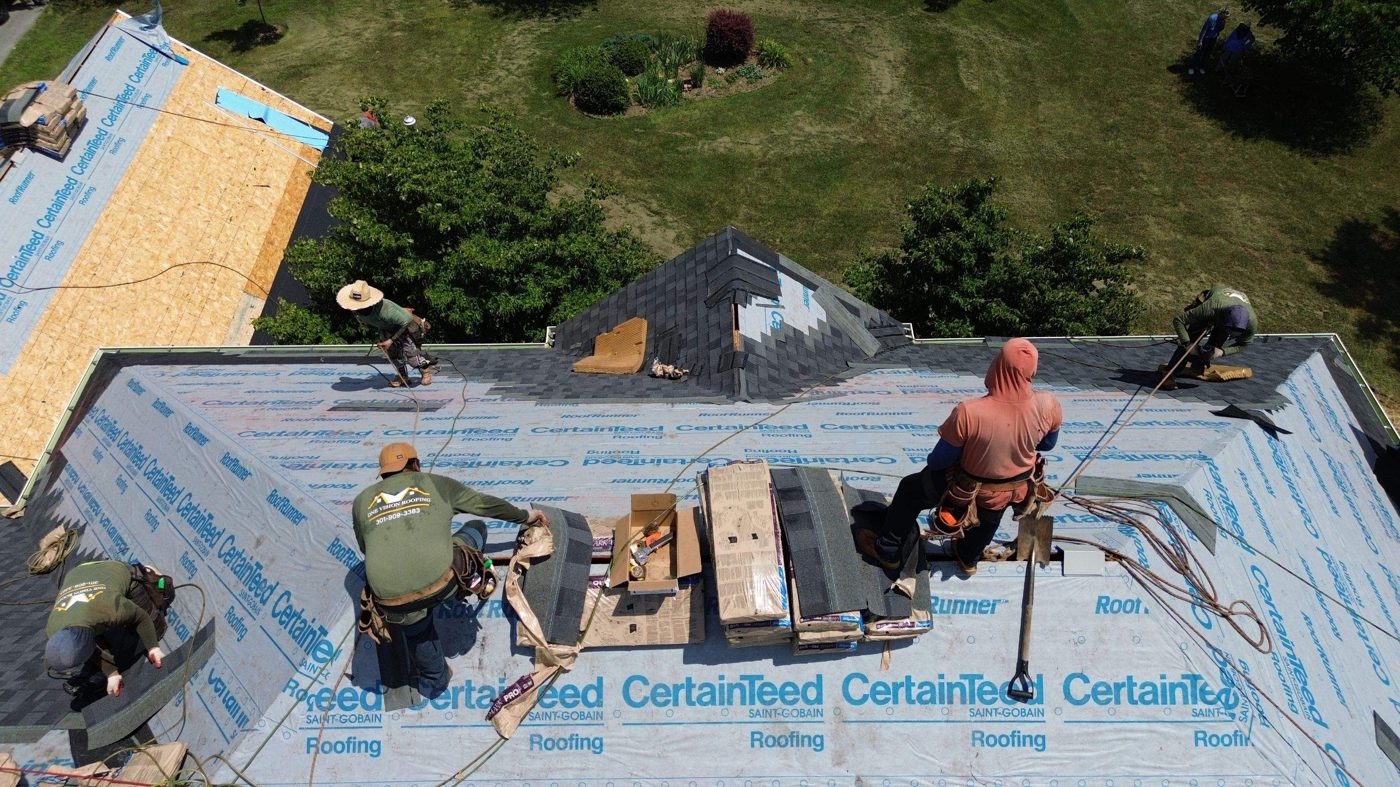
When the rafters are structurally sound and the dip comes from minor age-related creep or slight wall movement, a skilled crew can jack the frame back up. They lift the low spots fractions of an inch at a time using hydraulic jacks and temporary bracing, which prevents sudden cracking in your ceilings. Once the ridge line sits straight again, workers secure it with sistered boards, collar ties, or new purlins so it stays level for good.
A full teardown is necessary only when neglect has left the framing thoroughly rotted or multiple trusses have fractured.
How Much Does It Cost to Fix a Sagging Roof?
Fixing a sagging roof usually costs between $1,500 for minor framing reinforcements and upwards of $10,000 for complex structural or foundation repairs.
Every roof is different, so the actual price depends on what is causing the dip and how easy the framing is to reach. Sistering a few accessible rafters inside an open attic without disturbing the shingles sits on the lower end of that range. Moderate jobs that require jacking up a deflected ridge, pulling walls straight, and securing the rafters with heavy steel ties typically run from $3,500 to $7,000.
The total price goes up quickly when the problem involves water damage across the decking or structural movement down in the ground.
Bottom Line
A roof sagging in the middle is a sign that something needs to be checked. It could be caused by undersized rafters, missing cross-ties, water damage, excess weight, foundation movement, or damaged trusses.
The sooner you identify the cause, the easier it may be to prevent further damage. A professional roof inspection can help you understand the condition of the framing and decide on the right repair.
Disclaimer: This guide provides general information only and is not a structural engineering assessment. A sagging roof can have more than one cause at once, and the right repair depends on what an inspection finds in the attic and at the foundation. Costs shown are general industry ranges, not a quote. Have any visible dip looked at in person before deciding on a repair.
If your roof is sagging, have it looked at before the framing moves further. One Vision Roofing inspects, repairs and replaces roofs across Mechanicsville, Hughesville, Charlotte Hall, Leonardtown and the wider Southern Maryland region. Contact us today to book a roof inspection, or call (301) 909-3383.
